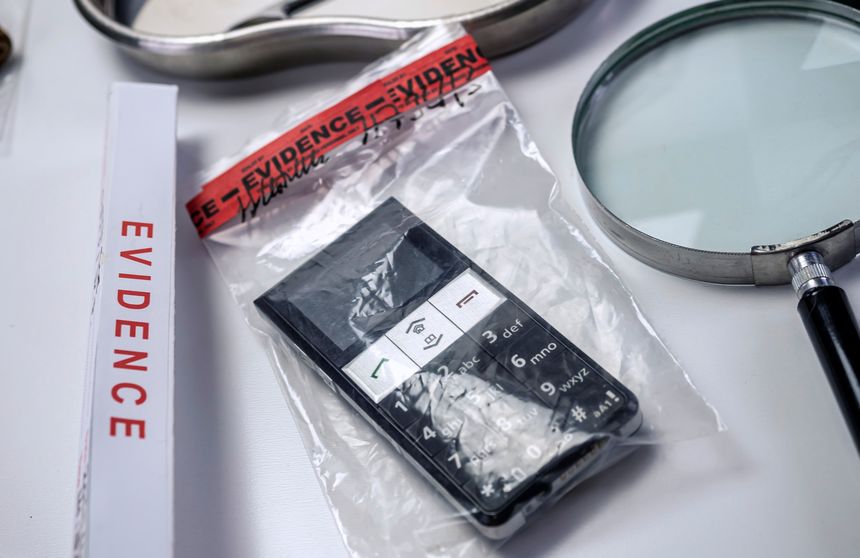
The increasing reliance on technology has transformed the way evidence is presented in South African courts. Mobile phone records, location tracking information, and other electronically generated data are now frequently relied upon in both criminal prosecutions and civil disputes. A recent High Court judgment in Mohapi Thabo and Another v The Stateprovides valuable insight into how courts approach the admissibility of such evidence.
The Issue Before the Court
The case centred on whether cellphone records obtained from Vodacom could be admitted into evidence despite the absence of a representative from the service provider to formally authenticate the records.
The appellants challenged the admissibility of the evidence, arguing that the State was required to call a Vodacom witness to verify the records before they could be relied upon by the court.
The Court’s Approach
The High Court dismissed this challenge and confirmed that electronic telecommunications records may be admitted into evidence without direct testimony from a service provider representative, provided that the reliability and authenticity of the information can be adequately established through other competent evidence.
In reaching its decision, the court considered evidence explaining:
- The manner in which the records were obtained;
- The operation and reliability of the systems that generated the data;
- The integrity and preservation of the records; and
- The absence of any indication that the information had been altered or manipulated.
The court was satisfied by the testimony of experienced telecommunications investigators from the South African Police Service, together with technical evidence from a Vodacom engineer regarding the functioning and interpretation of the records.
Electronic Records and the Hearsay Rule
A particularly noteworthy aspect of the judgment concerns the legal classification of cellphone records and location data.
The court held that records automatically generated by telecommunications systems constitute real evidence rather than hearsay evidence. Unlike witness statements or reports prepared by individuals, these records are produced by computer systems operating automatically and without human input.
Because the evidential value of such records depends primarily on the reliability of the technology that generated them, rather than the credibility of a human author, the court found that they do not fall within the traditional concept of hearsay evidence.
This distinction is significant because it reduces the likelihood that electronic records will be excluded solely because the individual responsible for generating or storing the data is not called to testify.
Broader Significance for Litigation
The judgment reflects the judiciary’s recognition of the realities of modern communication and information systems. Courts are increasingly required to assess evidence derived from digital platforms and automated technologies, including:
- Mobile phone call and messaging records;
- Cellular tower location information;
- GPS and vehicle tracking data;
- Electronic communications and metadata; and
- Computer-generated business and transactional records.
The decision confirms that reliable digital evidence can be accepted by the courts where sufficient proof exists regarding its source, authenticity, and integrity.
Key Lessons for Legal Practitioners
The judgment serves as an important reminder that electronic evidence can be highly persuasive in legal proceedings. While parties seeking to rely on cellphone records must still establish that the data is genuine and reliable, they may not necessarily be required to call a representative from the telecommunications provider in every case.
As technology continues to generate increasingly detailed digital footprints, courts are demonstrating a willingness to adopt practical approaches that recognise the evidential value of electronically generated information. In many instances, objective digital records may provide a more reliable account of events than human recollection alone.
This article is intended solely for general informational purposes and should not be regarded as legal advice. Professional legal guidance should be obtained in relation to specific matters and circumstances.